


The Ministry of Health (MOH) has confirmed a Tuberculosis (TB) cluster in Kota Tinggi, first detected on 25 January, with 33 positive cases identified from screening 804 close contacts as of yesterday.
Health Minister Datuk Seri Dr Dzulkefly Ahmad said MOH teams are currently on the ground taking aggressive measures to contain the outbreak. He added that all patients who tested positive are receiving treatment and are under close monitoring. The statement was shared on the social media platform X yesterday.
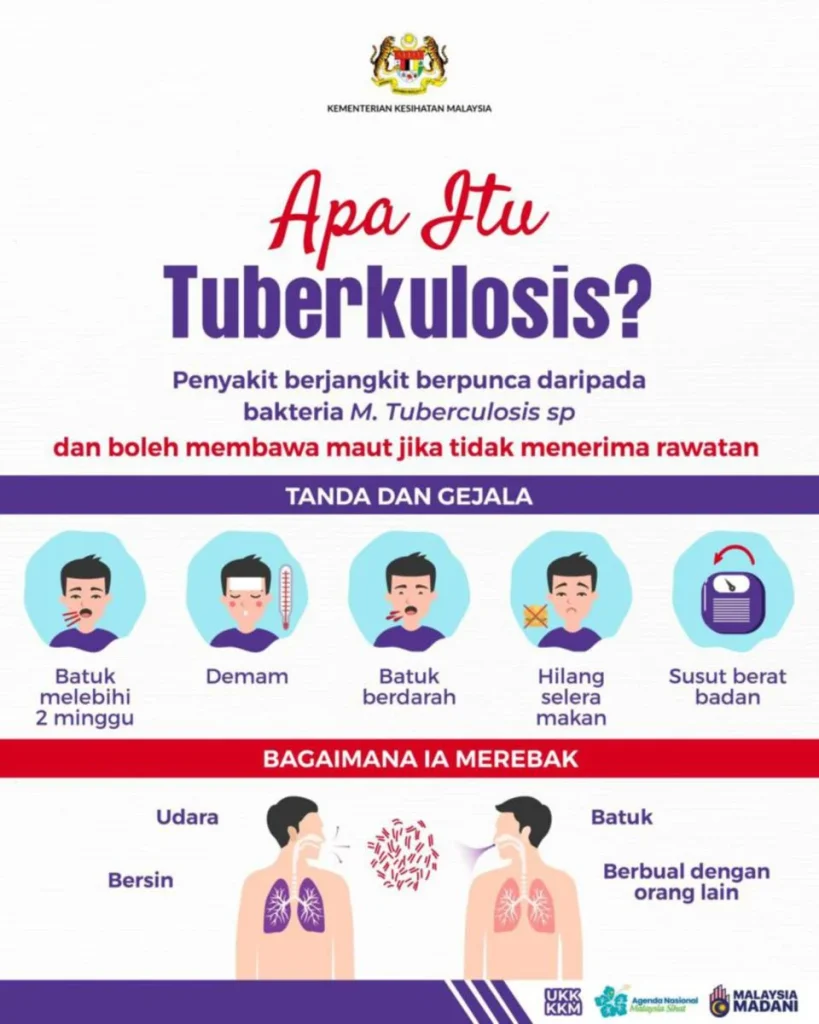
According to MOH’s website, tuberculosis—commonly known as TB or “consumption”—is a contagious disease caused by the bacterium Mycobacterium tuberculosis. The disease spreads through the air when an infected individual coughs, sneezes, or talks in close proximity, increasing the risk of transmission to those nearby.
Common symptoms include a persistent cough lasting more than two weeks, fever, weight loss, loss of appetite, and coughing up blood. To reduce the risk of infection, the public is advised to maintain personal hygiene, wash hands regularly with soap and water, avoid touching the eyes, nose, or mouth, and wear face masks, especially in high-risk areas.
Physical distancing, a healthy lifestyle, balanced nutrition, adequate sleep, and avoiding smoking also help strengthen immunity, according to MOH guidance.
Treatment compliance is crucial
For those diagnosed with TB, completing the full course of treatment and attending follow-up appointments is essential. MOH warns patients not to stop medication without a doctor’s advice, as doing so could lead to serious complications and increase the risk of spreading the disease. Between five and ten percent of close contacts are at risk of infection within two years. High-risk individuals include those living in the same household, interacting frequently, sharing transport, participating in social activities together, or working in the same organisation.
Early detection recommended
MOH urges the public to undergo early screening, which may include clinical assessment, symptom evaluation, Tuberculin skin testing, interferon-gamma release assays (IGRA), sputum testing, and chest X-rays. Early detection allows treatment to begin before the condition worsens.
Treatment for confirmed TB patients lasts six months, while those with Latent TB Infection (LTBI) are also given six months of therapy. Individuals who test negative will receive follow-up screenings four times over a two-year period.
