


At the serene grounds of Ichikawa City Zoo, a young Japanese macaque named Panchi-Kun — fondly called “Punch” — has become an unlikely global sensation. Behind the viral images, however, lies a deeply emotional beginning.
Born in July 2025, Panchi-Kun was rejected by his biological mother shortly after birth — a fate that would almost certainly have proven fatal in the wild. Instead, zoo keepers intervened, embarking on an extraordinary cross-species effort to keep the fragile infant alive.
Raised by Humans, Comforted by a Doll
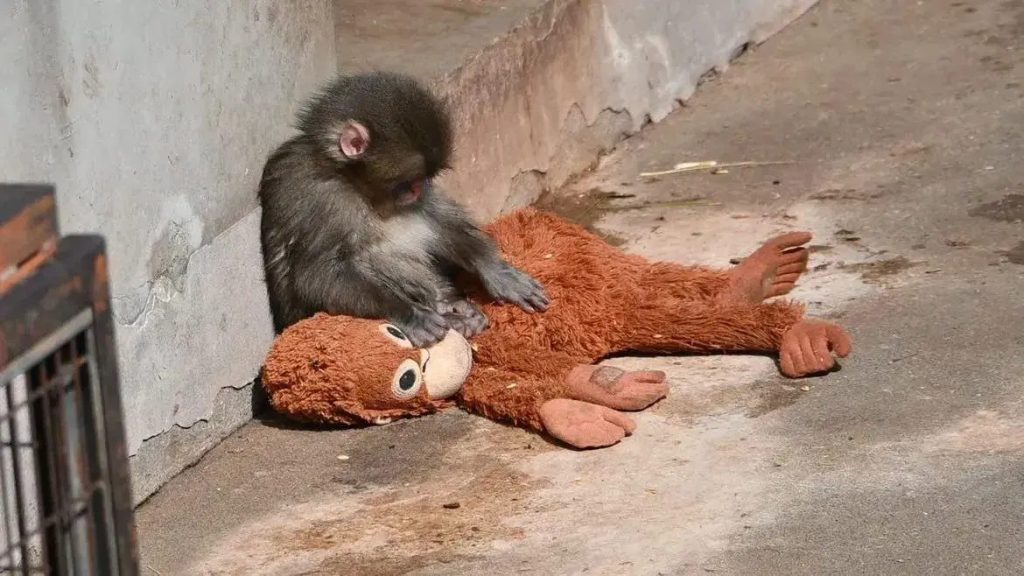
With round-the-clock care from staff, Panchi-Kun survived his earliest days. Yet something essential was missing: the instinctive comfort of clinging to a mother’s fur. To ease his visible distress, caretakers introduced soft blankets and later a plush orangutan toy.
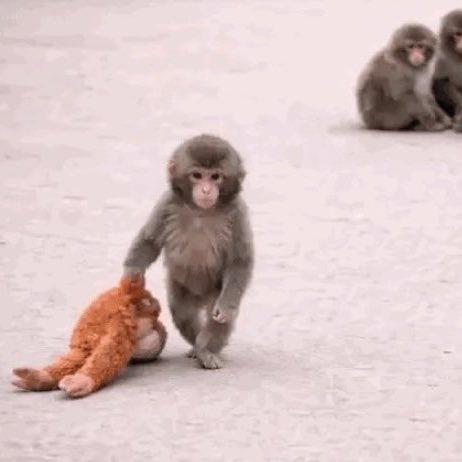
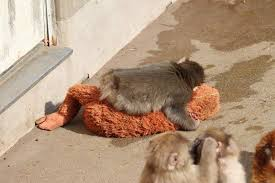
What followed surprised many observers. The tiny macaque did not treat the doll as a mere plaything — he formed a bond with it. Footage shared by the zoo shows him hugging the stuffed toy while sleeping and even carrying it on his back, mimicking how infant macaques cling to their mothers. The doll became more than comfort; it became a substitute anchor in a world he was still learning to understand.
A Difficult Return to the Troop
Although human care saved his life, reintroducing him to other macaques has proven challenging. As part of a gradual integration process, keepers observed that Panchi-Kun struggled with social cues that are typically learned from maternal interaction.
When other young macaques play too roughly or assert dominance, he often retreats to his plush companion. Without early maternal grooming and bonding, he is still navigating the complex hierarchy of macaque society. Zoo officials explain that the toy functions as a psychological stabiliser — not a toy, but a source of emotional security.
Internet Fame and a Symbol of Resilience
Since his story surfaced online in early 2026, Panchi-Kun has drawn widespread sympathy. Social media users have likened his journey to human experiences of abandonment and the universal need for belonging.
His images — clutching the bright orange doll while exploring rocky enclosures — have resonated deeply, turning him into a symbol of resilience and adaptation. Many online commenters note that his story highlights how social bonds are fundamental across species.
The Road Ahead
Zoo experts stress that the long-term goal is full integration into the macaque troop. They expect that as Panchi-Kun gains confidence and strengthens social ties, his reliance on the doll will gradually diminish.
For now, visitors to Ichikawa City Zoo can still spot the small macaque scampering across the habitat, plush toy firmly in hand — a young survivor bridging two worlds, learning, slowly but surely, how to belong.
