


A 14-year-old student suddenly collapsed in class, exhibiting unusual sounds, right-side weakness, and difficulty speaking, and was rushed to Lianxin International Hospital. Rapid testing by the emergency team revealed a left middle cerebral artery blockage, causing an ischemic stroke, as well as a massive 7-centimeter left atrial myxoma—a rare but potentially life-threatening heart tumor. Fortunately, after timely intervention, the student recovered fully with no lasting effects.
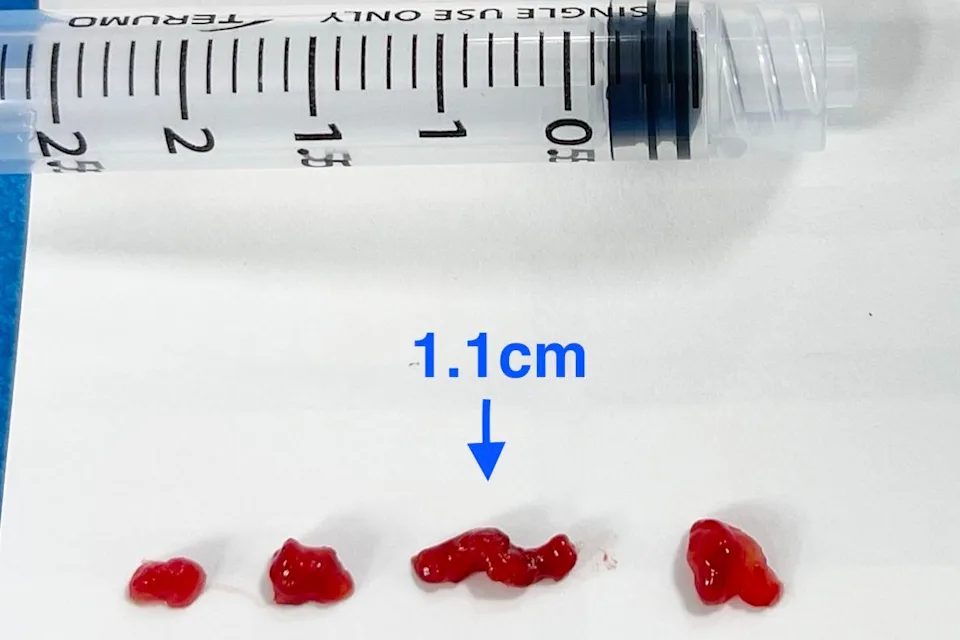
Initially, doctors suspected a temporary seizure due to abnormal brain activity, given the patient’s young age. Immediate CT and MRI scans were performed to avoid missing the crucial treatment window. Neuro specialist Dr. Li Zhenhua confirmed a left middle cerebral artery embolism, prompting Dr. Guo Yelin, chief of imaging and thrombectomy, to lead an urgent endovascular procedure. A catheter was guided from the groin to the blocked artery, where suction successfully removed four clots, the largest measuring 1.1 cm, reopening blood flow in just ten minutes.
Further cardiac ultrasound revealed a nearly 7-centimeter left atrial myxoma. Though non-cancerous, the tumor can release fragments into the bloodstream, causing embolisms and strokes. The student underwent heart surgery to remove the tumor and has since recovered well, returning to school without any deficits.
Dr. Guo explained that the left brain controls language, right-side movement, vision, and spatial awareness, while the middle cerebral artery supplies two-thirds of the brain. MRI diffusion-weighted imaging (DWI) allowed doctors to detect early ischemic changes within 30 minutes of the stroke, underscoring the urgent need for rapid treatment. Without intervention, brain swelling and pressure on the brainstem could have threatened life functions.
“Time is the most critical factor in treating acute strokes,” Dr. Guo emphasized. Research shows that every minute of delay results in approximately 1.9 million neurons dying. Rapid response significantly increases the likelihood of full recovery.
He also noted that strokes are more common during sudden cold weather, high stress, and blood vessel constriction. Maintaining a healthy lifestyle with balanced nutrition, regular exercise, and sufficient sleep helps reduce stroke risk. Individuals with cardiovascular issues or a history of atrial fibrillation should remain especially vigilant. Preventive care remains the best strategy to avoid life-threatening strokes.
