


A controversial example sentence in China’s widely used Xinhua Dictionary has been revised after drawing criticism from parents and members of the public.
According to a report by Changjiang Daily, the 13th edition of the dictionary, published in March 2026, no longer uses the phrase “Children are young and have become a burden” when explaining the meaning of the word “burden.”
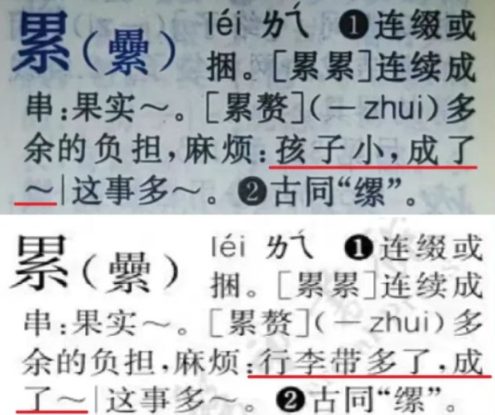
The example has now been replaced with a new sentence: “Carrying too much luggage has become a burden.”
The previous wording appeared in several earlier editions of the dictionary, including the 11th edition, the 12th edition (colour edition) and the 12th edition (large-print edition).
The phrase sparked widespread debate last year after Chinese media highlighted its inclusion in the publication.
Critics argued that describing children as a burden could send the wrong message and potentially hurt young readers who encountered the example while using the dictionary.
Some parents questioned whether the sentence could negatively affect children emotionally, especially at a time when China is encouraging families to have more children amid declining birth rates.
In response to the controversy, staff from the Commercial Press, the dictionary’s publisher, previously explained that the sentence was intended to reflect a social phenomenon and did not represent the publisher’s views or carry any specific value judgment.
Despite the explanation, the example continued to attract criticism online, prompting discussions about the social messages conveyed through educational materials.
The revised edition’s replacement of the phrase with a more neutral example involving luggage has since drawn attention, with many observers viewing it as a response to public concerns.
The Xinhua Dictionary is one of China’s most authoritative and widely used language reference books, making even minor wording changes a topic of national discussion.
