


A holiday to India turned into a years-long medical nightmare for a woman from the United Kingdom after she was eventually diagnosed with a severe parasitic infection that left her with a one-metre tapeworm and 38 parasites lodged in her brain.
Lowri Denman, 42, recently shared her remarkable health ordeal during a podcast, revealing that her symptoms only appeared years after returning from her trip to India in 2007. Her story has since drawn attention to the dangers of parasitic infections and the importance of early diagnosis.
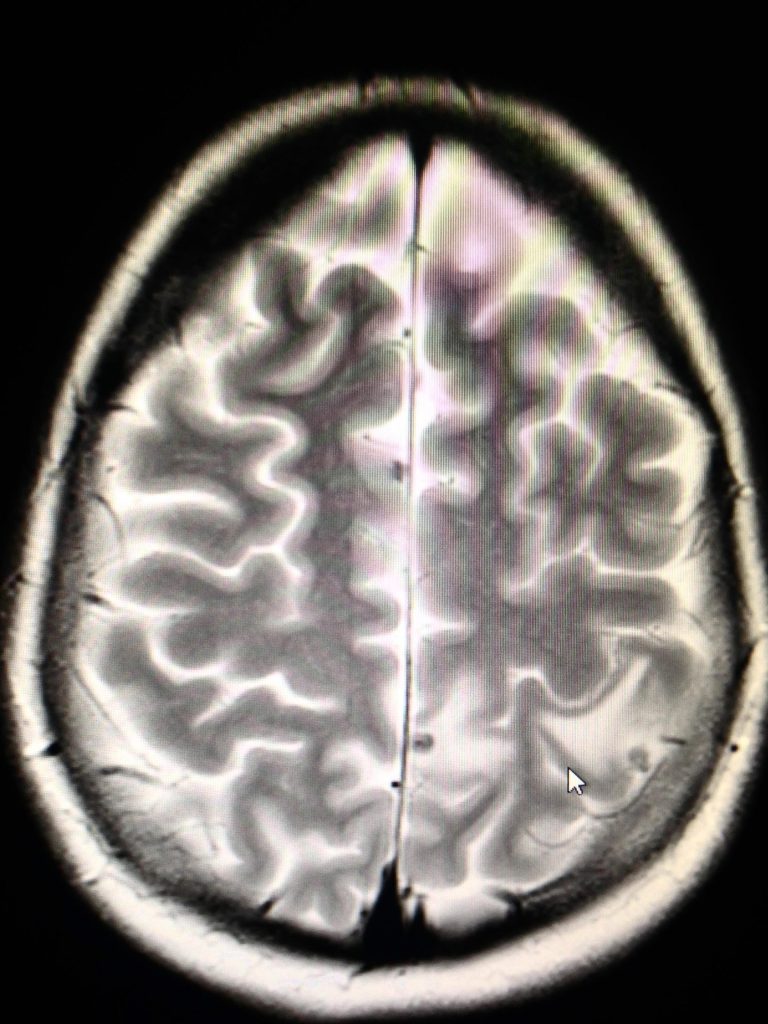
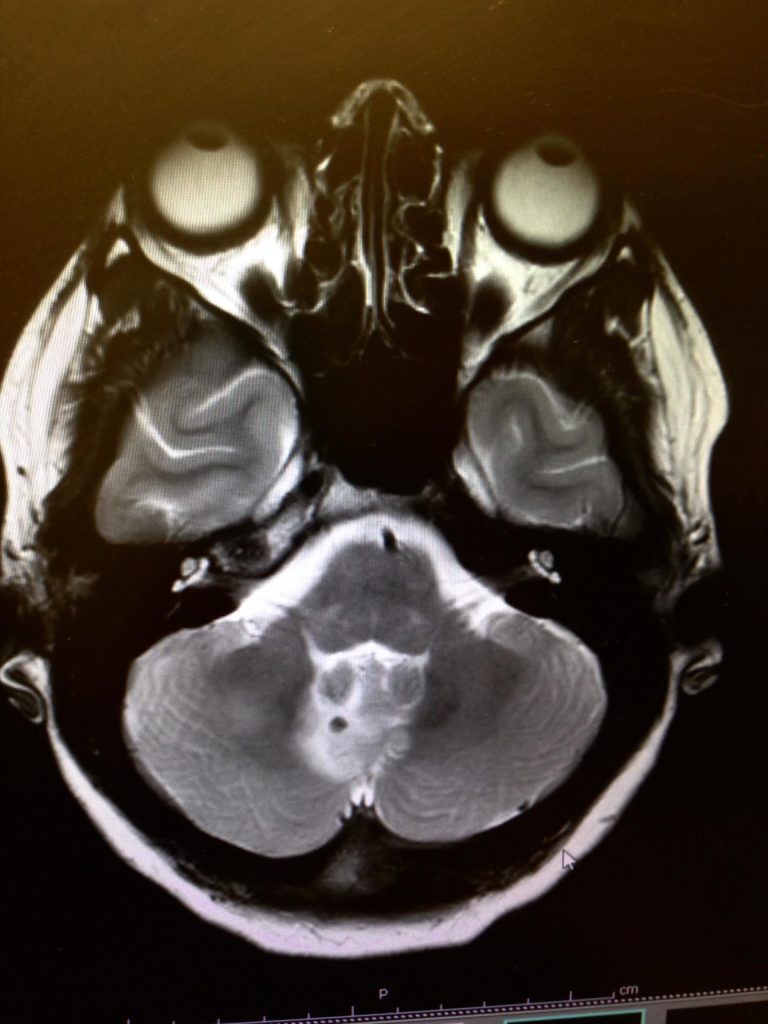
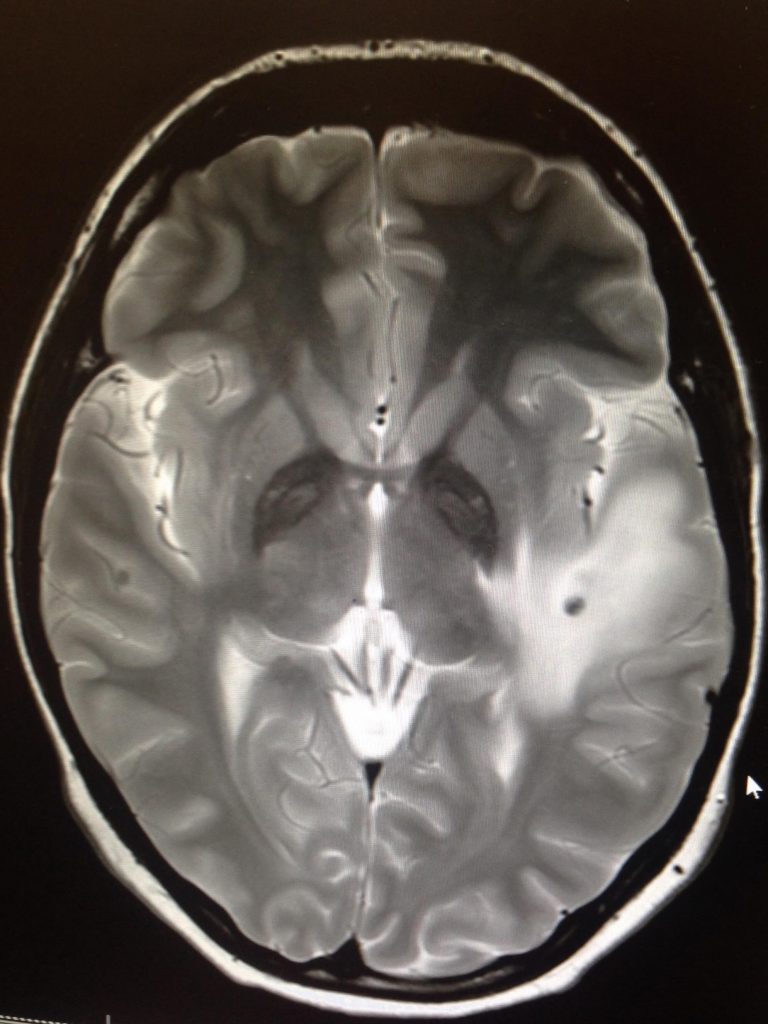
Denman recalled making a shocking discovery while using the toilet at a restaurant several years after her holiday, where she unexpectedly found what she described as a tapeworm measuring around one metre long. Although she immediately sought medical attention, initial stool tests reportedly showed no abnormalities, and because she had no obvious symptoms at the time, she continued with her daily life.
Her condition took a dramatic turn in the years that followed. She began suffering from severe headaches, struggled to speak, and eventually collapsed before being rushed to hospital. Brain scans later stunned doctors by revealing 38 parasites inside her brain.
Doctors initially suspected she was suffering from toxoplasmosis. However, after her family reminded medical staff about the earlier tapeworm incident, specialists eventually diagnosed her with neurocysticercosis — a parasitic disease that affects the central nervous system.
According to the World Health Organization (WHO), neurocysticercosis occurs when the larvae of the pork tapeworm infect the human nervous system, usually after a person unknowingly consumes contaminated food or water, or undercooked pork. An infectious disease specialist reportedly believed Denman had accidentally swallowed parasite eggs during her visit to India, allowing them to develop inside her body over time.
Although she was treated with antiparasitic medication and steroids, her recovery became even more challenging after she developed swelling of the brain and worsening neurological complications. She experienced numbness, confusion, paranoia and frequent panic attacks, leaving her unable to live independently and relying heavily on the support of her family.
“The whole thing became incredibly severe… I developed overwhelming anxiety and panic attacks,” Denman said, while one of her friends described her behaviour during the illness as being similar to that of a young child due to the infection’s impact on her brain.
After years of treatment and recovery, Denman gradually regained her health as the parasites eventually died and became calcified inside her brain. Although she continues to take epilepsy medication, she has not suffered a seizure since 2017. She now hopes that sharing her experience will raise public awareness about neurocysticercosis and encourage people to seek medical attention if they experience unusual symptoms after travelling abroad.
