


The once-popular “dad bod” may be falling out of favour after a new study found that women now prefer leaner and more athletic male body types.
The softer physique often associated with actors such as Vince Vaughn, Seth Rogen and David Harbour has long been celebrated as attractive and relatable.
However, new findings suggest women are now more drawn towards athletic builds similar to those of Brad Pitt and Ryan Reynolds.
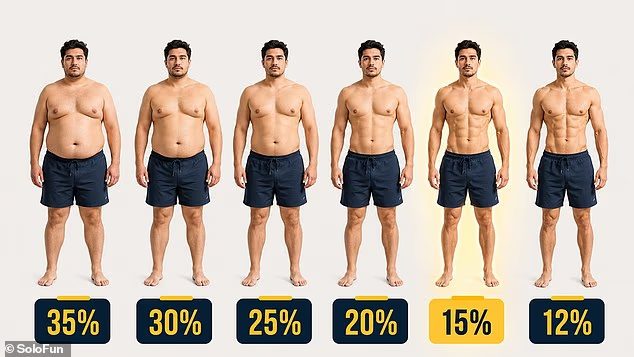
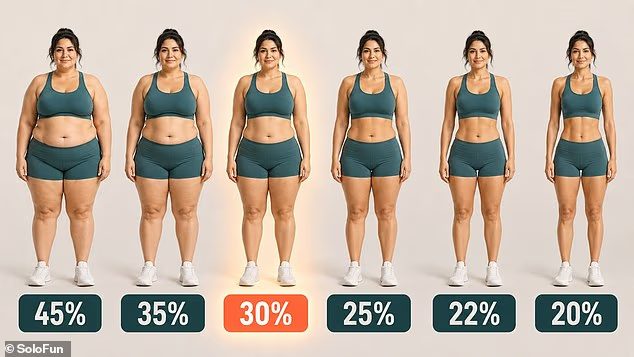
The research, commissioned by SoloFun, surveyed more than 2,000 adults who were shown body fat comparison images and asked to choose the physiques they found most attractive.
Researchers found that the preferred male body type was around 15 per cent body fat, which is generally associated with a lean and naturally athletic appearance rather than an ultra-muscular “superhero” build.
A body fat level of 20 per cent ranked second, followed by 25 per cent, while the least popular choice was 35 per cent body fat.
The findings suggest people are generally more attracted to healthier and more natural-looking body shapes rather than extreme physiques often promoted on social media.
“The most interesting thing about this analysis is that people were not choosing the most extreme body types that we are normally led to believe is the ideal,” a SoloFun spokesperson said.
Meanwhile, men surveyed in the study appeared to favour softer and curvier female body types.
The most preferred female body fat percentage was 30 per cent, followed by 25 per cent and 35 per cent.
Celebrities such as Kelly Brook, Beyoncé and Nigella Lawson were cited as examples of the body types many participants found attractive.
Researchers noted that body fat percentages differ significantly between men and women because women naturally carry higher levels of essential body fat.
The study also highlighted previous theories suggesting women may associate muscular physiques with strength, protection and health.
At the same time, other researchers have argued that some women may still find “dad bods” appealing because they are linked to longevity and a lower likelihood of extreme health risks.
The latest findings add to ongoing discussions surrounding beauty standards, body image and how perceptions of attractiveness continue to evolve in modern society.
