


A retail worker recently took to social media to warn others after inadvertently accepting a counterfeit RM100 note from a customer. Sharing the experience on the platform Threads, user Bitcheu_ explained that the incident occurred during a particularly hectic period at the shop. Due to the high volume of customers requiring immediate attention, the employee failed to scrutinise the currency thoroughly at the point of transaction, leading to a financial loss that had to be personally recovered.
According to the victim, the banknote initially appeared slightly darker than a standard RM100 note, but the discrepancy was dismissed as common dirt or wear. It was only after the rush subsided that a closer inspection revealed the true nature of the currency. The employee noted that the texture of the note felt suspicious, appearing as though two separate pieces of paper had been glued together, particularly along the edges where the alignment was imperfect.
Further details provided in the post indicated that the counterfeit note showed signs of physical degradation that should have served as a red flag. The victim observed that the ink on the paper seemed to have bled or faded, likely due to contact with moisture before it was handed over. Despite noticing these oddities momentarily during the transaction, the pressure of managing a busy storefront led the worker to proceed with the sale without performing a standard verification.
The viral post has prompted a wave of advice from netizens, many of whom urged retail workers and small business owners to remain vigilant regardless of how busy they are. Commenters highlighted that syndicates often target smaller businesses or exhausted employees, specifically using high-denomination notes like the RM100 to maximise their illicit gain. Experts and peers alike suggested taking a few extra seconds to feel the texture and check the security features of large notes to avoid similar pitfalls.
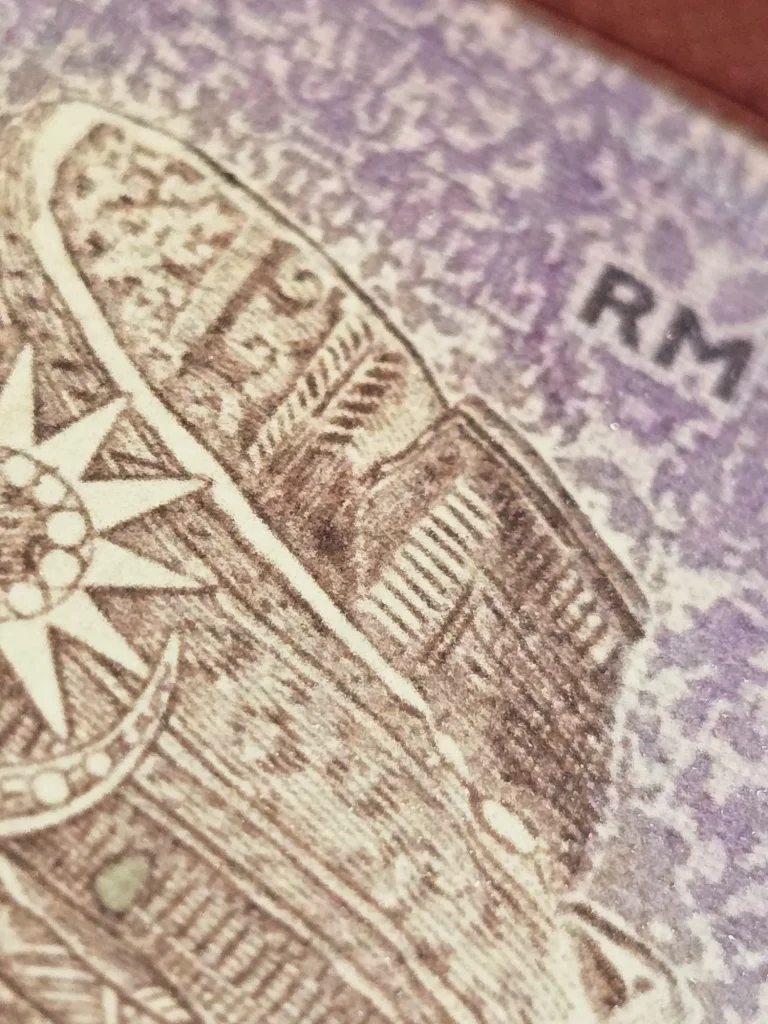
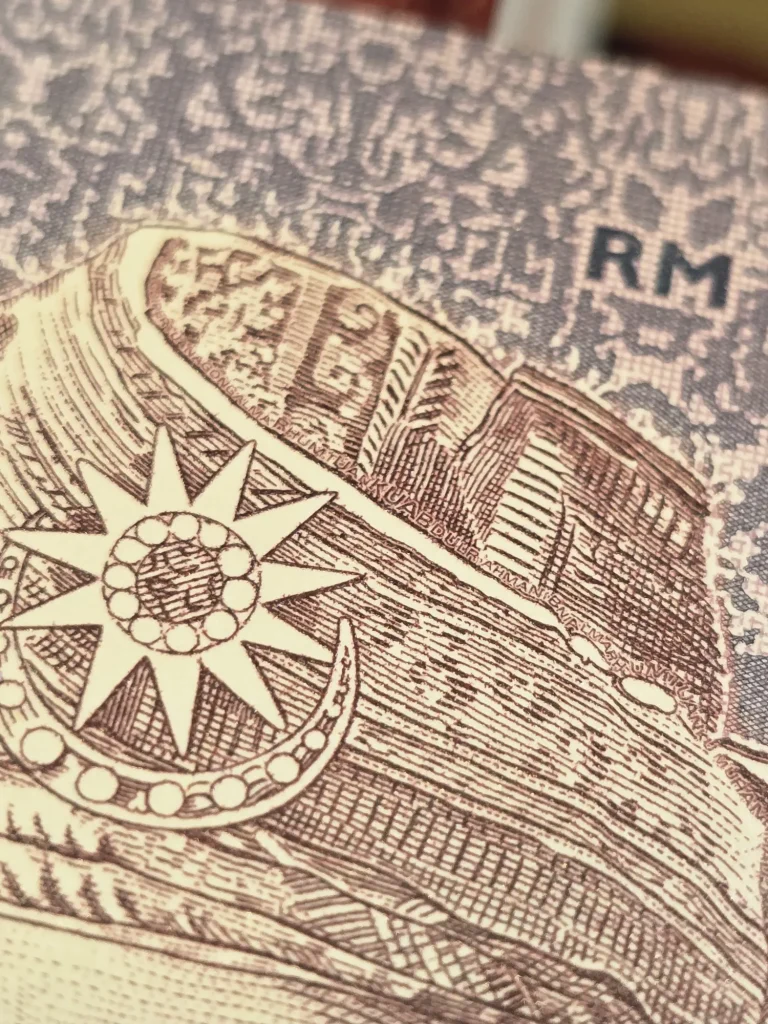
As a direct consequence of the oversight, the individual involved was required to compensate the company for the RM100 loss using their own personal funds. This incident serves as a stark reminder of the sophisticated tactics used by counterfeiters and the importance of “feel, look, and tilt” methods recommended by Bank Negara Malaysia. The victim’s story has resonated with many in the service industry who face similar pressures while handling cash transactions daily.
