


Google has introduced a new AI-powered feature in its Translate app that helps users improve pronunciation when learning a new language.
The feature, called “pronunciation practice,” uses artificial intelligence to analyse spoken input and provide instant feedback, allowing users to refine their enunciation before engaging in real conversations.
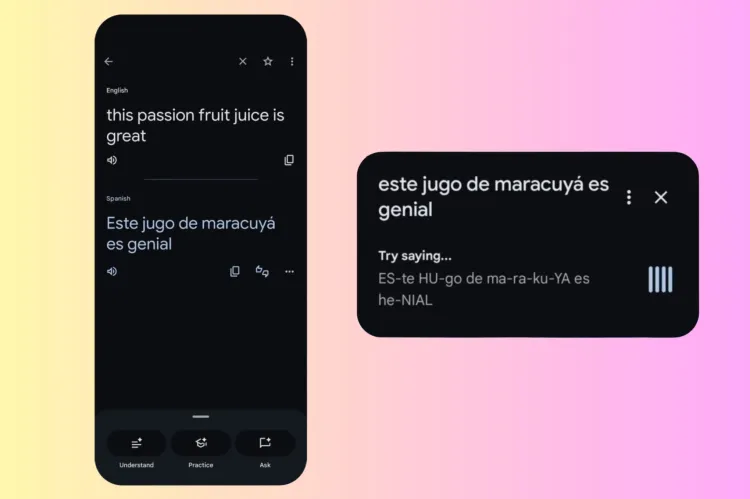
According to Google, the tool works by evaluating how users pronounce words and offering corrections to help them improve accuracy and fluency in their target language.
The experience is somewhat similar to pronunciation tools found in language-learning apps such as Duolingo, where users are guided to speak more naturally through interactive feedback.
At launch, the feature is available for Android users in the United States and India, supporting English, Spanish and Hindi. Google has not yet confirmed when it will be rolled out to other regions or made available on iOS devices.
The update comes as part of Google Translate’s 20th anniversary, with the company highlighting the feature as one of its most requested additions.
Google also revealed that Translate now serves more than one billion monthly users, with around one trillion words processed each month across its translation tools, including Search, Lens and Circle to Search.
