


Scientists in Australia have identified a previously unknown species of walking shark during field research in Papua New Guinea (PNG), marking a rare and significant discovery within the unique shark group.
The newly discovered species, known as the Dudgeon walking shark, was found in shallow waters near Milne Bay in southeastern PNG. The species was named after senior researcher Christine Dudgeon from Australia’s University of the Sunshine Coast, according to a statement released by the university on Tuesday.
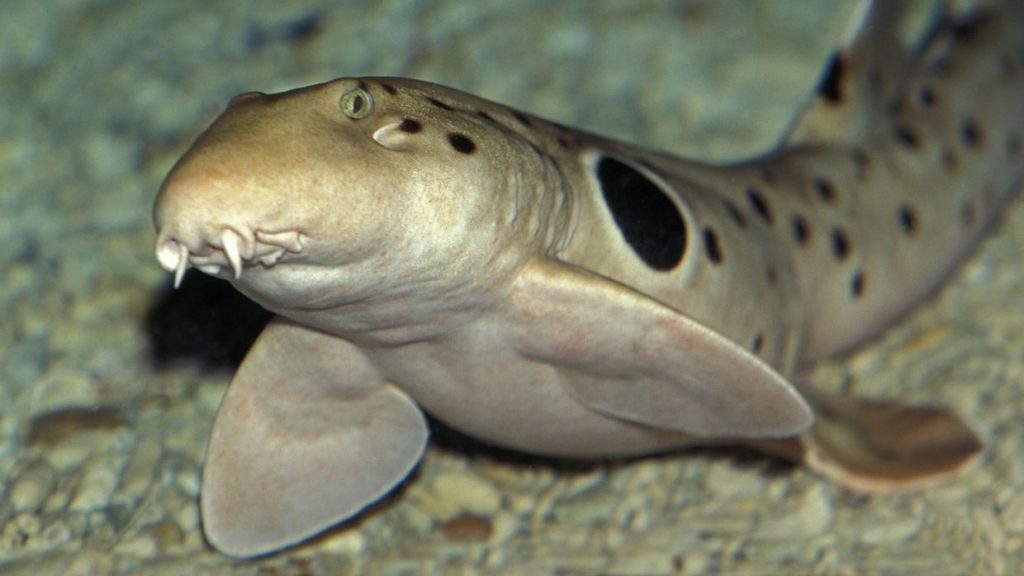
Research published in the Journal of the Ocean Science Foundation revealed that the shark is the first new species in its genus to be identified since 2013. Scientists confirmed that the nocturnal shark is found only within a small area of southeastern PNG.
The shark, which grows to about one metre in length, feeds on marine invertebrates living on the seabed and poses no threat to humans. It is best known for using all four of its fins like legs, allowing it to slowly “walk” across shallow coral reefs during low tide.
The species was first spotted by researchers studying endangered epaulette sharks. Lead author Jess Blakeway, a PhD student at UniSC, said the shark’s distinctive white-lined markings on its brown body differed from the leopard-like spots seen on related species.
Subsequent genetic analysis confirmed that the animal was indeed a previously unknown species.
Locally, the shark is known as “kadedekedewa”, which roughly translates to “dog shark” or “lazy shark”, a reference to its slow-moving, four-fin walking style.
Researchers believe the newly identified shark has an extremely limited habitat range, raising concerns about its vulnerability to habitat degradation, fishing pressures and climate change.
Further surveys are planned to support future assessments by the International Union for Conservation of Nature.
The discovery increases the total number of known walking shark species in the region to 10. According to Blakeway, five of these species are already listed as threatened by the IUCN due to their highly restricted habitats — a condition that applies to only around three per cent of all shark species worldwide.
