


The global LABUBU craze has taken a unique cultural turn in Tibet, where the popular designer toy is being dressed in handcrafted traditional Tibetan outfits, creating a viral trend that is boosting both local craftsmanship and cultural heritage.
In Lhasa’s famous Barkhor Street, a trendy souvenir shop called One Inch of Joy has transformed LABUBU figures into collectible keepsakes by dressing them in miniature Tibetan costumes decorated with turquoise, coral, beeswax ornaments and even traditional Tibetan opera masks.
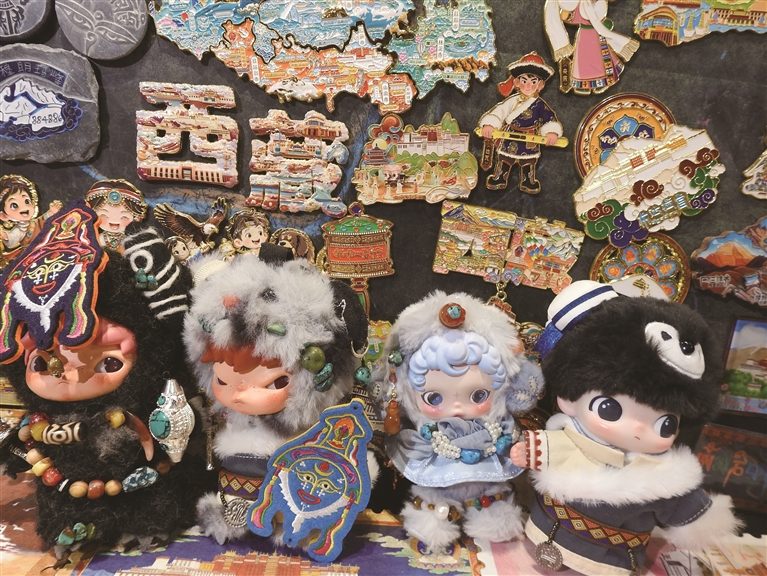
The idea reportedly began last summer when staff experimented by dressing a LABUBU doll in a tiny Tibetan outfit originally made for a snow leopard plush toy. The combination quickly went viral on Chinese social media, with customers flooding the shop with requests to buy the customised dolls.
Shop owner Zhu Li said the unexpected popularity encouraged the team to refine the clothing designs and partner with manufacturers to produce the outfits, while staff regularly compete to secure genuine LABUBU figures for customisation.
Each finished doll is individually decorated by hand, making every piece a one-of-a-kind souvenir inspired by Tibetan culture.
A standalone Tibetan outfit sells for around 48 yuan (US$6.70) and includes a shirt, robe and belt designed to fit most popular collectible dolls. A fully customised LABUBU complete with clothing and traditional accessories is priced at about 580 yuan (US$81), with the shop now selling around 10 to 15 complete sets every day.
Meanwhile, Tibetan fashion designer Li Ziyan, design director at Tibet Zangxiu Clothing Co., has also attracted widespread attention on social media platform Xiaohongshu after creating a series of Tibetan-inspired outfits for LABUBU and other Pop Mart designer toys.
Her first design, nicknamed the “Grandmother Edition,” transformed a Pop Mart Crybaby doll into the image of a kind-hearted elderly Tibetan woman.
“I simply posted it online without paying for promotion, and it unexpectedly went viral,” Li said.
She has since designed between eight and 10 different outfits representing the traditional clothing styles of Tibet’s seven prefecture-level regions.
Among the collections is the “Qiangtang Style,” inspired by northern Tibet and featuring a distinctive ceremonial hat that reflects the region’s cultural identity.
Li said preserving authenticity is central to every design. She incorporates elements from historic Tibetan royal garments and draws inspiration from nationally recognised intangible cultural heritage, including the traditional Nagqu Amdo Hat, commonly known as the “Antenna Hat” or “Hero’s Hat.”
Every accessory—including handmade aprons, pearl decorations and traditional ornaments—is carefully sewn by women artisans from a community handicraft cooperative in Lhasa’s Doilungdeqen District.
Because each outfit is handcrafted, prices range from 200 to 600 yuan (US$28 to US$84).
“The craftsmanship and cultural heritage behind every outfit determine its value. We don’t want them to look cheap or plastic. Every fabric, accessory and stitch is made with great care,” Li said.
With Tibetan-style LABUBU dolls continuing to trend online, Li has begun receiving custom orders from collectors across China. She also hopes to launch interactive workshops where customers can create their own miniature Tibetan outfits while learning more about the region’s rich cultural traditions.
