


A woman in Zhejiang, China, has gone viral after revealing she discovered thick black sludge inside her reusable silicone straw following months of unexplained diarrhoea.
According to local reports, she had been experiencing recurring stomach problems for a long period before deciding to cut open the silicone straw of her favourite tumbler. To her shock, the inside of the straw was coated with a thick layer of black, sticky residue, which she believed was the source of her illness.
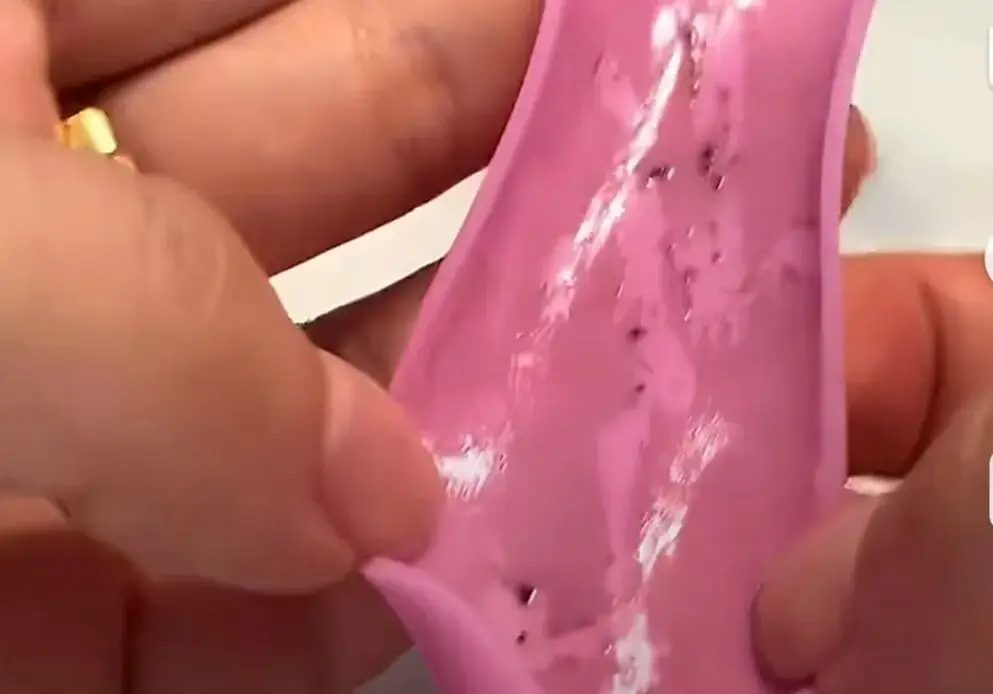
The incident quickly sparked discussion online, with many social media users checking their own reusable straw cups and sharing similar experiences, especially during the hot and humid summer months.
Infectious disease specialist Dr Zhao Lei from Union Hospital, Tongji Medical College, Huazhong University of Science and Technology, explained that straw cups are much harder to clean than ordinary drinking cups because of their complex design.
He said components such as the straw, mouthpiece, silicone seals and weighted straw attachments create hidden areas where moisture remains trapped, providing an ideal environment for bacteria and mould to grow.
Dr Zhao added that every time a person drinks, saliva, food particles and bacteria can flow back into the straw and cup, gradually forming a slimy biofilm on the inner walls. Combined with warm, humid conditions, this creates the perfect breeding ground for harmful microorganisms.
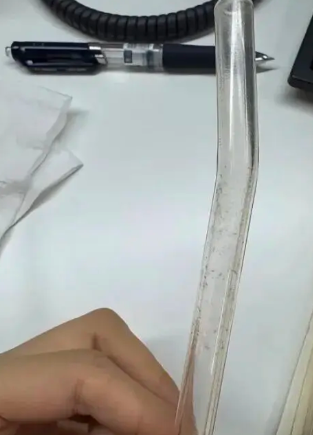
Among the bacteria and fungi commonly found inside poorly cleaned straw cups are E. coli, Staphylococcus aureus, Aspergillus, and Penicillium, which may cause gastrointestinal illness, diarrhoea, coughing, nasal irritation or even breathing difficulties.
The doctor warned that drinks such as milk, protein shakes, bubble tea, sugary beverages, fruit juice and coffee are especially likely to leave residue that encourages bacterial growth.
To reduce health risks, experts recommend completely dismantling reusable straw cups during cleaning, scrubbing the inside of the straw with a dedicated straw brush, soaking the parts in vinegar or baking soda once a week, replacing silicone straws every three to six months, and ensuring all components are fully dry before reassembling the cup.
