


A handmade sheep doll nicknamed the “Xinjiang Labubu” has become China’s latest viral collectible, drawing massive crowds of tourists willing to queue for hours – and sometimes even days – to get their hands on a personalised version.
The folk-inspired souvenir, known online as the “Xinjiang Little Sheep”, has exploded in popularity across Chinese social media platforms, turning from a simple gift-shop item into one of the country’s hottest cultural merchandise trends.
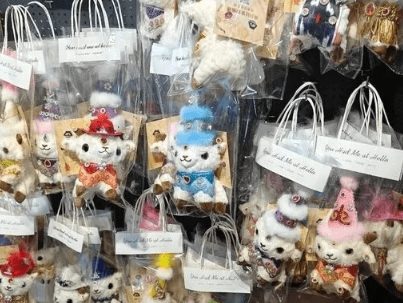
Originally sold as a plain sheep doll in shopping malls around Urumqi, the toy underwent a dramatic makeover when vendors began dressing it in traditional Xinjiang-inspired accessories, including embroidered flower hats, colourful Atlas silk outfits and gemstone necklaces.
The transformation quickly captured the attention of visitors, with many comparing the customised sheep to the wildly popular Labubu collectible dolls.
What sets the toy apart is its interactive DIY experience.
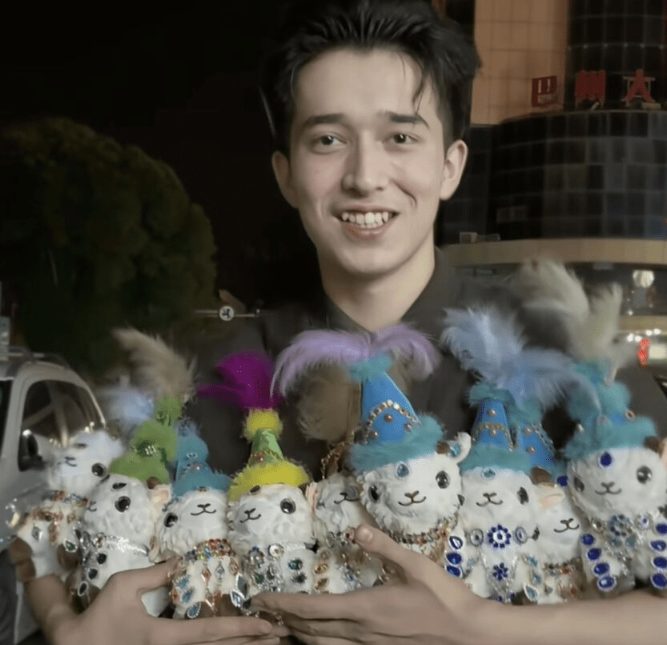
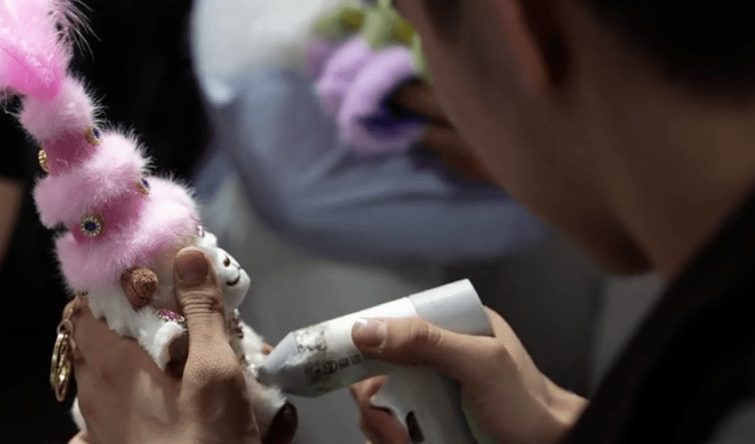
Customers can personally select hats, clothing, jewellery and decorative accessories before vendors hand-stitch the items onto the doll on the spot, ensuring that no two sheep are exactly alike.
The personalised process has become a major attraction, with tourists viewing the experience as more than just shopping for a souvenir.
Local vendor Abdullah Aimirila said demand has become overwhelming, with workers spending more than 10 hours a day producing the dolls.
Even at full capacity, his team can only make around 200 dolls daily, yet demand continues to exceed supply.
The most elaborate designs take about six minutes to complete, while simpler versions require around three minutes.
During peak tourism periods, family members are often called in to help meet orders.
Long queues have become a common sight outside stalls selling the dolls. Some visitors reportedly arrive with luggage in tow and wait for hours, while others purchase multiple dolls at once.
One tourist from Anhui told local media that she and her husband travelled to Xinjiang for their honeymoon and failed to secure a doll on their first day.
Determined not to miss out, the couple returned the following day and finally managed to buy one after another lengthy wait.
Industry observers believe the phenomenon reflects changing consumer habits among younger generations, who increasingly value experiences and emotional connections over simply purchasing products.
Rather than buying a standard souvenir, customers are paying for the opportunity to create something unique and take home a personalised memory of their trip.
The popularity of the dolls has also boosted related industries.
Manufacturers supplying miniature flower hats for the sheep have reportedly expanded production, with one factory in Hangzhou opening two dedicated production lines capable of producing 13,000 hats per day.
Despite the increased output, orders are already fully booked until mid-July.
With the “Xinjiang Labubu” craze showing no signs of slowing down, businesses are optimistic that demand could remain strong well into next year, especially with the upcoming Year of the Sheep expected to generate even greater interest in the handmade collectibles.
