


A couple in Florida who discovered they were given the wrong baby following an IVF clinic error say they still want to raise their daughter, even after locating her biological parents.
Tiffany Score and Steven Mills said they feel both “legally and morally” obliged to give the child’s biological parents the opportunity to claim her, but emphasised that they consider baby Shea to be their own.
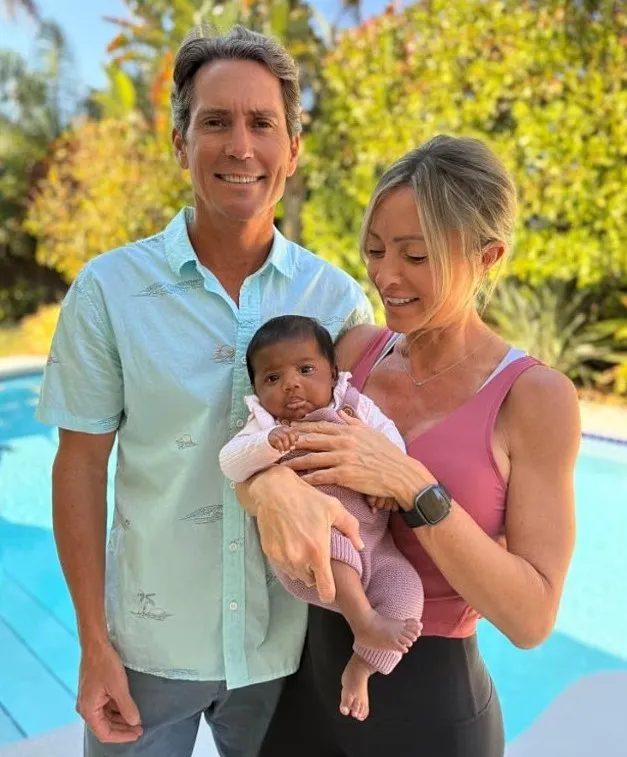
The couple, who struggled for five years to conceive before turning to IVF using stored embryos, welcomed Shea in December, describing her as a healthy and beautiful baby girl.
However, shortly after birth, the couple began to notice that the baby appeared to be of a different ethnicity from themselves. Subsequent genetic testing later confirmed that Shea was not biologically related to either Tiffany or Steven.
The revelation led to the discovery of a suspected embryo mix-up at the Fertility Center of Orlando, where the couple’s IVF treatment had taken place. They have since launched legal action against the clinic, alleging that another patient’s embryo was implanted in Tiffany’s uterus in April 2025.
Despite the shock, the couple said they have formed a deep emotional bond with the child. “We love our little girl, and if possible, we would hope to be able to continue to raise her ourselves,” they said, adding that they do not want her to be taken away.
At the same time, they acknowledged that Shea should ideally be united with her genetic parents, provided they are willing and able to care for her, and have expressed respect for the privacy of all parties involved.
The couple also raised concerns about whether their own embryos may have been involved in a similar mix-up with another family, questions that remain unanswered as investigations continue.
The fertility clinic involved has stated that it is cooperating with authorities to determine how the error occurred. It has also announced plans to cease operations, with another clinic expected to take over the facility.
The case has sparked wider discussion about IVF regulations and safeguards, highlighting the emotional and legal complexities that can arise in rare but serious medical errors involving assisted reproduction.
